Astronomical events February 2026 offer a spectacular schedule of celestial activities for regular skywatchers and astronomy enthusiasts. From the dramatic “Ring of Fire” annular solar eclipse to a rare multi-planet parade, the month is packed with highlights for both casual observers and dedicated stargazers.
Whether you are watching from the bustling streets of Mumbai or a remote dark-sky site halfway across the globe, here is your complete guide to the night sky this month.
Astronomical events February 2026 Celestial Calendar
| Date | Event | Best Visibility |
| Feb 1-2 | Full Snow Moon | Global |
| Feb 17 | Annular Solar Eclipse | Antarctica, Southern Ocean |
| Feb 19 | Mercury at Greatest Elongation | Western Horizon (Post-Sunset) |
| Feb 28 | Rare 6-Planet Parade | Global (West/Southwest Sky) |
February 1-2: The Full Snow Moon
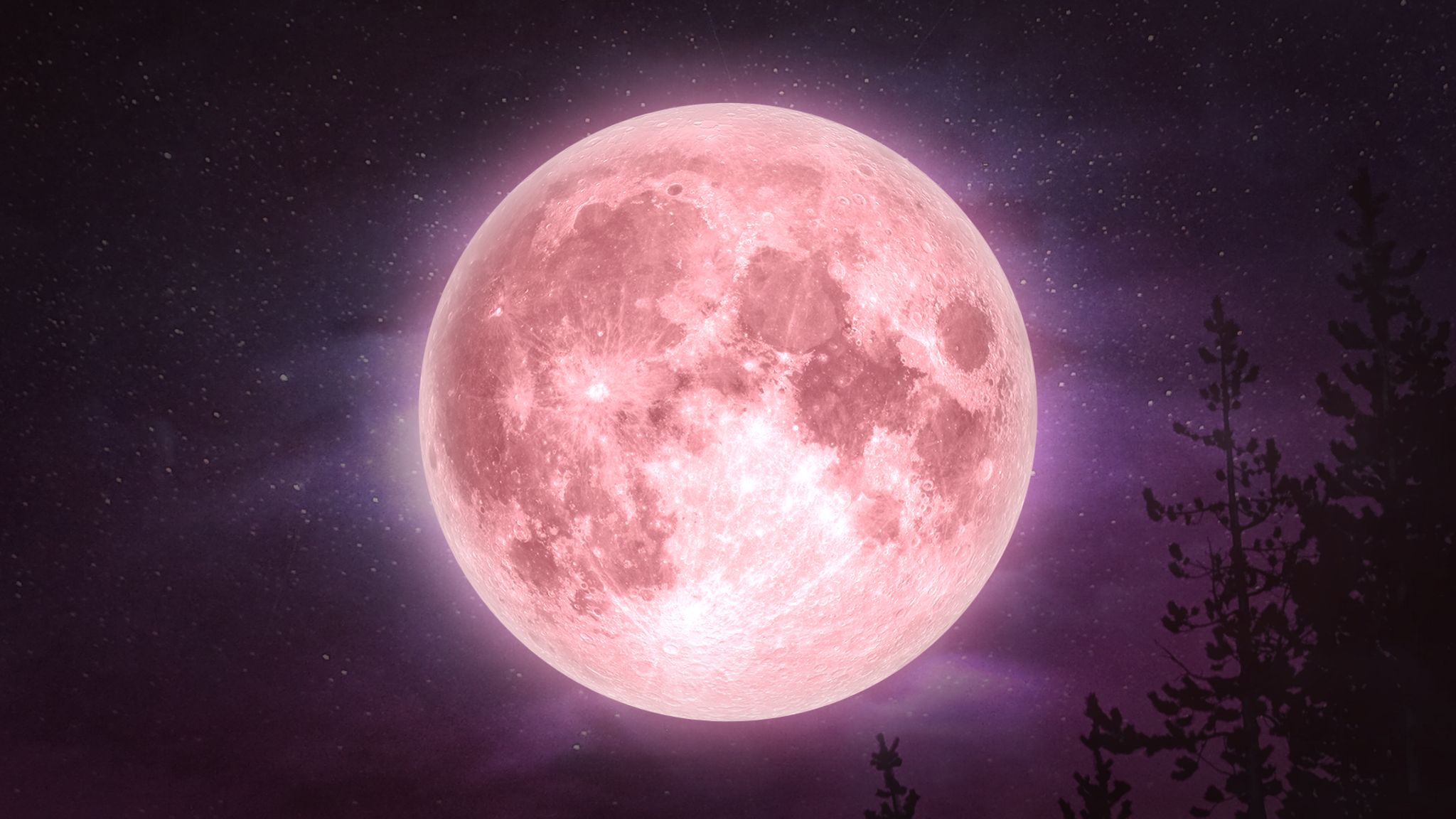
The month begins with the serene display of the Full Moon, traditionally known as the Snow Moon. This name reflects the heavy snowfall typical of February in many northern latitudes.
-
Peak Fullness: Sunday, Feb 1 at 22:09 UTC (Monday, Feb 2 at 03:39 AM IST).
-
What to see: This is the perfect time to grab binoculars or a small telescope to view the lunar maria (the dark plains).
-
Pro Tip: Capture the moonrise during the “Blue Hour” (just after sunset) to get that perfect contrast between the glowing moon and the deep blue sky.
February 17: “Ring of Fire” Annular Solar Eclipse
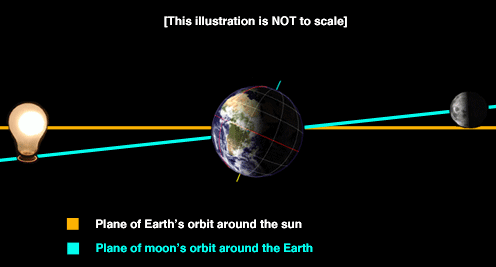
The first eclipse of 2026 is an Annular Solar Eclipse. During this event, the Moon is too far from Earth to completely cover the Sun, leaving a bright, fiery ring—the famous “Ring of Fire.”
-
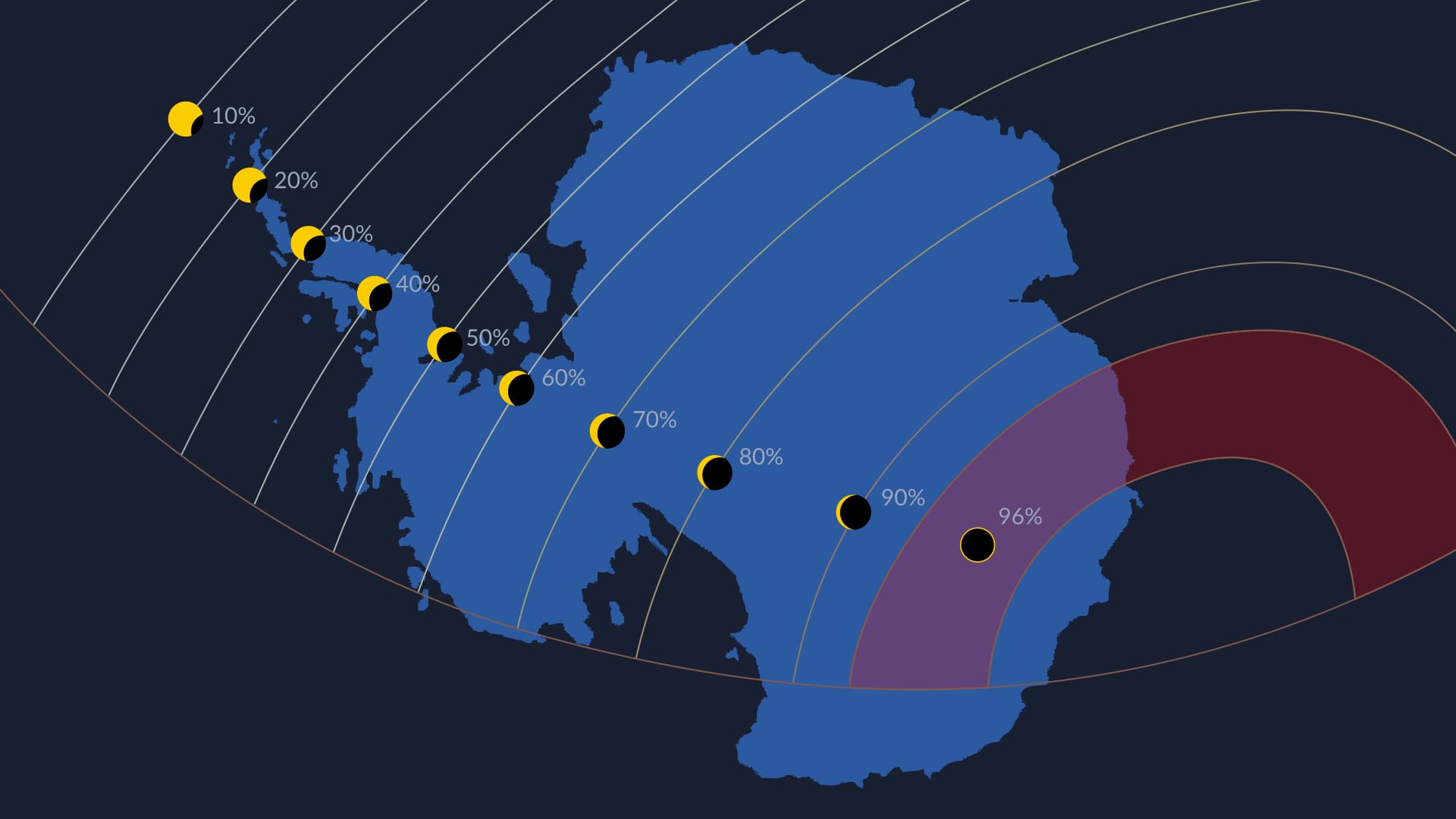
Path of Annularity: The full ring effect is exclusively visible from parts of Antarctica and the Southern Ocean.
-
Partial Visibility: Observers in the southern tip of South America and Southern Africa will witness a partial solar eclipse.
-
India Visibility: This eclipse will not be visible from the Indian subcontinent.
-
Timeline (UTC):
-
Partial Begins: 09:56 UTC
-
Annularity Begins: 11:42 UTC
-
Maximum Eclipse: 12:12 UTC (96% coverage)
-
Safety first: Never look directly at the Sun without certified solar-viewing glasses. Even a 96% covered Sun can cause permanent eye damage.
February 19: Mercury at Greatest Eastern Elongation
Mercury is often lost in the Sun’s glare, but on February 19, it reaches its greatest eastern elongation. This is its farthest point east of the Sun, making it the best time to see Mercury in the evening sky in 2026.
-
Where to look: Look low on the Western horizon shortly after sunset.
-
Appearance: It will shine as a distinct, yellowish point of light. You have a short window of about 60–90 minutes after sunset before it sets.
February 28: Rare 6- Planet Parade (Alignment)
The grand finale of the month is a Planet Parade. Six planets—Mercury, Venus, Saturn, Jupiter, Neptune, and Uranus—will appear to line up across the sky.
-
The Lineup: * Venus (-3.9 mag) and Jupiter will be the brightest and easiest to spot.
-
Mercury and Saturn will be lower toward the horizon.
-
Uranus and Neptune are much dimmer; you will need binoculars or a telescope to see them.
-
-
The Science: This alignment happens because the planets are currently positioned on the same side of the Sun along the ecliptic path.
The Mumbai Observer’s Guide (Local Visibility)
If you are observing from Mumbai, Dombivli, or Pune, here is what you need to know:
-
Pollution & Horizons: For the Planet Parade and Mercury, you must have a clear view of the Western horizon. Avoid areas with tall buildings. Marine Drive or a high rooftop is your best bet.
-
Best Viewing Site: For the dim planets (Uranus/Neptune), we recommend traveling to darker regions like Mahuli or Vangani to escape the city’s light pollution.
-
Next Big Event: While the Feb 17 eclipse misses us, mark your calendars for March 3, 2026, when a Total Lunar Eclipse will be visible from India!
Join the Community! Did you capture a shot of the Snow Moon or the Planet Parade? Tag @stargazingmumbai on Instagram or Facebook and use the hashtag #StargazingMumbai. We’ll be sharing the best community captures all month long!