Ladakh – The Ultimate Cosmic Gateway
Imagine a spot that is so different from the bustle of the city that time seems to stop. The only sounds you’ll hear in this calm setting are the gentle murmurs of the wind. Welcome to Ladakh, where the sky is a vast painting just waiting to be appreciated.
Unlike most urban areas, where the night sky is obscured by pollution and light, stargazing in Ladakh provides a stunning view of the universe in all of its glory. You can genuinely connect with the magnificence of the cosmos here because the stars are captivating.
The Milky Way spreads out like a glowing river, and you start to feel as though you can reach constellations you’ve only ever read about in books. Whether you’re an amateur astronomer, a passionate astrophotographer, or simply someone who loves the mysteries of the cosmos, stargazing in Ladakh is an experience like no other.
However, an unforgettable stargazing experience here requires careful planning—knowing when to visit, where to go, what gear to carry, and how to prepare for the high-altitude conditions. In this guide, we’ll walk you through everything you need to know to make your astro tour in Ladakh a stellar success.
For those who want an expertly guided Ladakh Astro Tour experience, Stargazing Mumbai offers meticulously curated Ladakh Astro Tours that provide access to specialized equipment, experienced astronomy guides, and breathtaking stargazing spots.
Is Stargazing in Ladakh a worthy choice?
Yes, definitely! Ladakh is one of the world’s best destinations for stargazing. The high altitude, dry air and absence of light pollution create an ideal condition for observing celestial objects with great clarity. It is situated at over 10,000 feet (3,000 meters), above atmospheric interference that can blur celestial objects. The thin air causes less light scattering, giving stargazers breathtaking views of stars, planets, and distant galaxies.
Ladakh’s dry climate reduces water vapor, which typically distorts starlight, allowing for some of the clearest and most detailed views of the Milky Way compared to more humid regions.
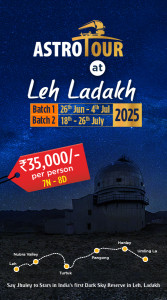 Stargazing Mumbai’s Ladakh Astro Tour offers professional-led expeditions, superior telescopes, and carefully planned astrophotography sessions for those seeking a well-guided experience, ensuring you get the most out of your Ladakh astro tour.
Ladakh’s Night Sky: A Stunning Celestial Spectacle
What makes Ladakh’s night sky so special?
Stargazing in Ladakh is different from anywhere else. The first thing that will mesmerize you is the milky way arching across the sky like a glowing river of stars. This is due to Ladakh’s extreme darkness and lack of light pollution. Unlike cities, where artificial lights overpower the night sky, stargazing in Ladakh offers near-zero light pollution in remote areas like Hanle, Nubra Valley, and Pangong Tso.
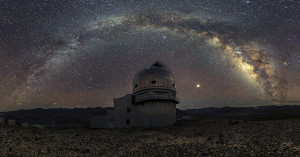
But what truly sets it apart is India’s first Dark Sky Reserve at Hanle. Hanle, home to the Indian Astronomical Observatory, has been designated as a Dark Sky Reserve, meaning strict regulations keep the area free from light pollution. This makes Hanle one of the best places in the world to observe celestial phenomena.
In Ladakh, you can easily spot planets like Jupiter and Saturn with the naked eye. Using a telescope, you can see Saturn’s rings, Jupiter’s moons, and even distant galaxies like Andromeda.
Ladakh is an ideal place to witness meteor showers, planetary conjunctions, and lunar eclipses. If you time your visit right, you can see the Perseids or Geminids meteor showers lighting up the sky.
Stargazing Magic: Discover the Best Times to Experience the Night Sky
When is the best time for stargazing in Ladakh?
Ladakh has clear skies almost all round the year, but the best time for stargazing is from May to September.
Ladakh experiences dry weather throughout these months, which guarantees bright skies. Between May and August, the Milky Way’s galactic core is most visible, providing breathtaking astrophotography chances. Traveling at high altitudes can be challenging during Ladakh’s harsh winters. The best seasons for nighttime outdoor activities are summer and early autumn.
Expert advice: To get the best visibility and the darkest skies, schedule your trip around the new moon phase! Steer clear of full moon evenings since the moonlight could mask subtle astronomical details. You can mention the best months to visit for stargazing
What astronomical events can you witness in Ladakh?
-
The Milky Way in all its Glory
One question that everyone of us wonders is – can we really see the Milky Way from Ladakh? The answer is definitely yes! Ladakh’s high-altitude and dry air makes it possible to see the dust lanes, nebulae, and clusters embedded in the heart of our galaxy.
-
Best Time to See the Milky Way in Ladakh:
- Peak visibility: May to August
- Best hours: 10 PM – 3 AM (on moonless nights)
- Best locations: Hanle Dark Sky Reserve, Nubra Valley, Pangong Tso
-
Meteor Showers
Meteor showers occur when Earth passes through streams of debris left by comets. Ladakh’s dark sky provides perfect conditions for spotting these celestial fireworks.
- Perseids (July-August): One of the most famous meteor showers, peaking around August 11–13, with up to 100 meteors per hour in ideal conditions.
- Geminids (December-January): While extreme cold makes travel challenging, this is the time for the spectacular Geminids meteor shower, known for its colorful fireballs.
Discovering Hidden Gems: Your Guide to Choosing the Perfect Locations for Stargazing in Ladakh
Not every place in Ladakh presents the same potential for witnessing the stars. Here are some of the best places to see the night sky:
-
Hanle – India’s First Dark Sky Reserve
credits: The Better India
The Indian Astronomical Observatory, one of the highest observatories in the world, is located on Hanle, which is 4,500 meters (14,764 ft) above sea level. The observatory, managed by the Indian Institute of Astrophysics, is located on Mt. Saraswati in the Nilamkhul Plain within the Hanle Valley. With over 255 spectroscopic nights per year, this isolated site provides remarkably clear skies, making it a paradise for both astronomers and stargazers. To further highlight its dedication to protecting the untouched night sky, Hanle was named India’s first Dark Sky Reserve in September 2022.
-
Pangong Tso Lake
credits: Wikimedia Commons by Eatcha
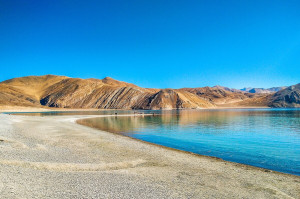
Pangong Tso Lake, which is 4,350 meters (14,270 feet) above sea level, is situated on the boundary between China and India. Its brackish waters offer a captivating spectrum of blues during the day, while at night the lake becomes a mirror reflecting the entire cosmos. It is the perfect place to observe the Milky Way and other celestial phenomena because of its privileged elevation and natural atmosphere. The quiet setting provides a calm atmosphere for both beginner and expert astronomers, enhancing the stargazing experience.
-
Nubra Valley
credits: Medium
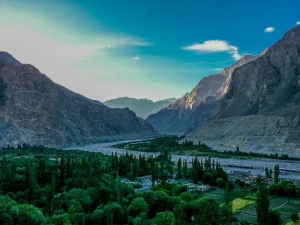
At an average elevation of 3,048 meters (10,000 feet), Nubra Valley is easily accessible through the well-known Khardung La Pass. Because of the valley’s small population and minimal infrastructure, there is barely any artificial light, making for ideal stargazing conditions. The distinctive topography, which includes sand dunes and steep mountains, adds to the attractiveness, making it a popular destination for astrophotographers looking to capture the night sky against spectacular terrain.
-
Khardung La Pass
Khardung La ranks as one of the world’s highest motorable passes, standing at 5,359 meters (17,582 feet) above sea level. The pass provides unmatched 360-degree views of the surrounding Himalayan mountains and serves as the entry point to the Nubra Valley. It is a popular destination for stargazers, who frequently stop here to relax and enjoy the heavenly sight.
-
Lamayuru
credits: Vyacheslav Argenberg, olympus digital camera
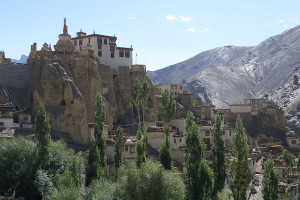
Lamayuru, often known as the ‘Moonland of Ladakh’ due to its lunar-like sceneries, is located at an elevation of 3,510 metres (11,516 feet). The region is a great place to observe constellations and deep-sky objects because of its peculiar geography, high elevation, and clear skies. The historic Lamayuru Monastery offers guests a combination of divine fascination and spiritual ambience, adding a cultural element to the stargazing experience.
What to expect on a Ladakh Astro Tour?
How to reach Ladakh?
- By Air: Leh’s Kushok Bakula Rimpochee Airport connects to major Indian cities.
- By Road: Travelers can take the scenic Manali-Leh or Srinagar-Leh highway.
Once in a lifetime journey!
Get ready to go on an 8-night, 9-day heavenly journey in the Himalayas! The Stargazing Mumbai Ladakh Astro Tour is a one-of-a-kind combination of astronomy, adventure, and cultural journey, ideal for both experienced astronomers and beginners.
- Spectacular Stargazing Sessions:
Explore Hanle, Pangong Lake, and Nubra Valley to witness India’s darkest skies. Using highly qualified telescopes, learn about the Milky Way, deep-sky objects, and constellations from expert astronomers.
- A Scenic Road Trip Through Ladakh:
Enjoy stunning Himalayan scenery as you go via Khardung La, Umling La (the highest motorable road in the world), and Turtuk on a scenic road trip across Ladakh. Each location has been carefully chosen for its breathtaking beauty and low levels of light pollution.
- Learn Astrophotography:
Capture stunning images of the Milky Way. Under the guidance of a professional, learn astrophotography techniques and capture captivating cosmic photos to take home.
- Comfortable & Authentic Ladakhi Hospitality:
Stay in comfortable, clean homestays and hotels, relish delicious homemade meals, and travel effortlessly in a cozy tempo traveler.
Essential Gear for an Unforgettable Astro Tour in Ladakh’s High Altitudes
One of the most common questions people ask is, “Do I need a telescope for stargazing in Ladakh?” While a telescope enhances your experience, Ladakh’s dark skies allow you to see incredible details with just your naked eye or binoculars.
Telescope vs. Binoculars: What’s Best for Beginners?
- Binoculars (10×50 or 15×70): Ideal for beginners, lightweight, and easy to carry.
- Telescope (Dobsonian or Refractor): Better for detailed planetary observation but requires setup.
To know more about this, click here.
Must-Have Apps & Tools
- Stellarium: A free mobile app to identify stars and planets.
- Red-light flashlights: Preserve night vision while navigating in the dark.
- DSLR/Mirrorless Camera & Tripod: DSLR or mirrorless cameras are preferred for astrophotography, not a must-have, but a tripod is essential for photography.
To know more about such apps, click here.
Essential Travel & Health Tips for Stargazing in Ladakh
Ladakh’s high-altitude environment can be physically challenging. Here’s how to stay safe and fully enjoy your celestial adventure:
- Acclimatisation is Crucial: Spend at least 48 hours acclimating in Leh before starting the journey to higher heights.
- Keep Yourself Hydrated and Energized: Drink lots of water; it’s your best friend! Avoid alcohol and nourish your body with healthy, high-carb meals to keep your energy levels up while exploring.
- Dressing Essentials: Layer yourself with thermal socks, a warm wool cap, and insulated gloves. At locations like Hanle and Khardung La, temperatures can drop to -20°C or lower, so be ready!
- Oxygen Levels: As you climb to extreme heights, the air gets thinner. Carrying portable oxygen cylinders and altitude sickness medication is advisable.
Your Ultimate Travel Packing Checklist:
- Warm clothes: To stay warm, choose thermal layers, windproof jackets, thick woolen socks, and gloves.
- Sturdy trekking boots: Make sure that your footwear is strong enough to keep up with your adventures.
- High-SPF sunscreen and lip balm: Use lip balm and sunscreen with a high SPF to shield your skin from the sun’s harmful rays.
- Sunglasses: Be sure to protect your eyes from the strong UV radiation that is common at high elevations.
- Nutritional snacks: For instant energy boosts, pack energy bars and dry fruits.
- Personal medications: Just in case, remember to bring Diamox for altitude sickness.
- Camera and astrophotography gear: Take pictures of the stunning scenery around you with a camera and astrophotography equipment.
- Headlamp with red light mode: It is ideal for trail navigation in the dark.
How to Make the Most of Your Astro Tour: A Stargazer’s Guide
- Get to Know the Constellations: Learn about some of the main constellations before you travel. In the night sky, look for Orion, Ursa Major, and Cassiopeia. Finding these stellar points will add to the excitement of your experience!
- Spot the Bright Planets: Did you realize that planets are among the bright objects visible in the night sky? Search for Jupiter, Saturn, Mars, and Venus, the shining gems of our solar system. Learning to identify these planets will make your nighttime observations even more exciting because each has a distinct brightness.
- Make Use of Mobile Apps: Take advantage of technology! To experience the night sky in Ladakh before you travel there, download applications like Stellarium or SkySafari. By using these applications, you can better visualize the planets and constellations, which will enhance the viewing experience.
- Keep a Star Chart Handy: Whether you’re a beginner or an experienced stargazer, having a star chart or sky atlas can be extremely helpful. This guide will help you explore the night sky and ensure you don’t miss any incredible sights.
Here is the beginner’s guide to astronomical objects.
Discovering astrophotography: Taking stunning pictures of the Milky Way
A paradise for astrophotographers is Ladakh. If you want to take great photographs of the night sky, keep these tips in mind:
- Use a DSLR or mirrorless camera: To obtain a wide field of vision, choose a camera with a wide-angle lens, ideally between 14mm and 24mm. Adjust an ISO setting between 1600 and 3200, and a shutter speed of 15 to 25 seconds.
- Mobile Astrophotography: Anyone can capture the stunning night sky using their smartphone these days. Set your camera to manual mode (Pro Mode) if available, and adjust the ISO to 800-3200 with an exposure time of 10-30 seconds. Focus manually on distant stars, and avoid digital zoom for clearer images.
- Use a Sturdy Tripod: To avoid camera shake during long exposure photos, a sturdy tripod is necessary.
- Try Different Foregrounds: Create depth and intrigue in your photos by including landscapes like lakes or mountains.
Ways to preserve night vision
Did you know that it takes your eyes 20 to 30 minutes to fully adjust to the darkness? It’s true! The catch is that bright light exposure, even for a short period of time, may alter the adaptation. Here are some simple yet efficient ways to enhance your night vision:
- Select Red Light: Use a red-light flashlight instead of your standard one. This allows you to light your path without affecting your night vision.
- Get Rid of the Screens: Steer clear of phone screens. If necessary, switch to night mode to reduce the strain on your eyes.
- Give Your Eyes a Moment: Allow your eyes to become accustomed to the darkness before beginning your night observations.
More than just a way to relax, a stargazing tour to Ladakh is a visual and spiritual journey into the universe. You will never forget the magnificent view of the Milky Way spanning the pitch-black heavens of Ladakh. Ladakh offers an unmatched celestial experience, regardless of your interest in astronomy, astrophotography, or just the night sky.
Ladakh Astro Tour – Join The Ultimate Adventure with Stargazing Mumbai!
Stargazing Mumbai’s Ladakh Astro Tour provides a meticulously planned itinerary for an amazing celestial experience to make sure you get the most out of your journey. This exclusive tour brings you to some of Ladakh’s most breathtaking stargazing destinations, including the well-known Hanle Dark Sky Reserve, Pangong Tso, and Nubra Valley.
With high-powered telescopes, skilled astronomers to guide you, and a passionate community of fellow stargazers, you’ll gain a better understanding of the universe while viewing stunning celestial events. This trip is designed to provide an engaging and instructive night-sky experience, regardless of your level of knowledge with astronomy.
So, why wait? Reserve your place on Stargazing Mumbai’s Ladakh Astro Tour now to take advantage of this chance to discover the wonders of the cosmos in one of the greatest stargazing locations on earth! Limited slots available! Register here now to go on an unforgettable journey!
Enjoyed this blog? Consider reading:
- Spiti Valley: A Paradise For Every Astrophile. Himalayas, Langza, Chicham Bridge, Mudh Village
- 9 Spectacular Astronomical Events in 2025
- 5 best places for Stargazing in the Himalayas